
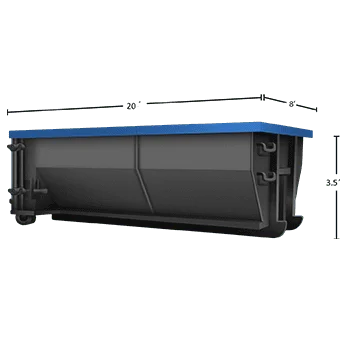
Describe material rather than guessing capacity
A hired dumpster gives the project a place to load accepted waste before collection and disposal. Container volume and allowed weight are separate considerations: bulky contents can occupy space quickly, while dense rubble can reach a weight allowance without filling the box. Explain both the material and approximate amount when asking which offered container suits the job.
A project dumpster enquiry starts with what will be discarded. Describe the cleanout, renovation or other work and identify materials you are unsure the provider can accept.
Bulky furniture and dense construction debris create different loading questions. Tell the provider what is known, including material that may need a separate waste route. Ask for the proposed container and accepted-content instructions; do not assume every item from a property belongs in the load.
Review the delivery and loading area
Discuss a stable position, the vehicle approach and space to load without blocking access. A driveway, shared parking area and public street involve different permissions. Obtain the property or authority’s direction where needed; the container quote does not authorise occupation of public space.
Define collection and uncertain items
Keep the agreed loading limits and prohibited-material guidance available to everyone helping. Ask before adding liquids, chemicals, batteries or other uncertain material. Confirm collection, extensions and any swap as separate instructions. Ordinary municipal collection and event recycling remain separate arrangements.
Container hire does not automatically include carrying items out of buildings, sorting possessions or loading labour. Confirm those responsibilities along with the container, transport, hire dates and disposal allowance in the quote. Ask how excess weight, additional days, rejected materials or another haul are handled, and keep the agreed collection route clear until removal.